Skip to content
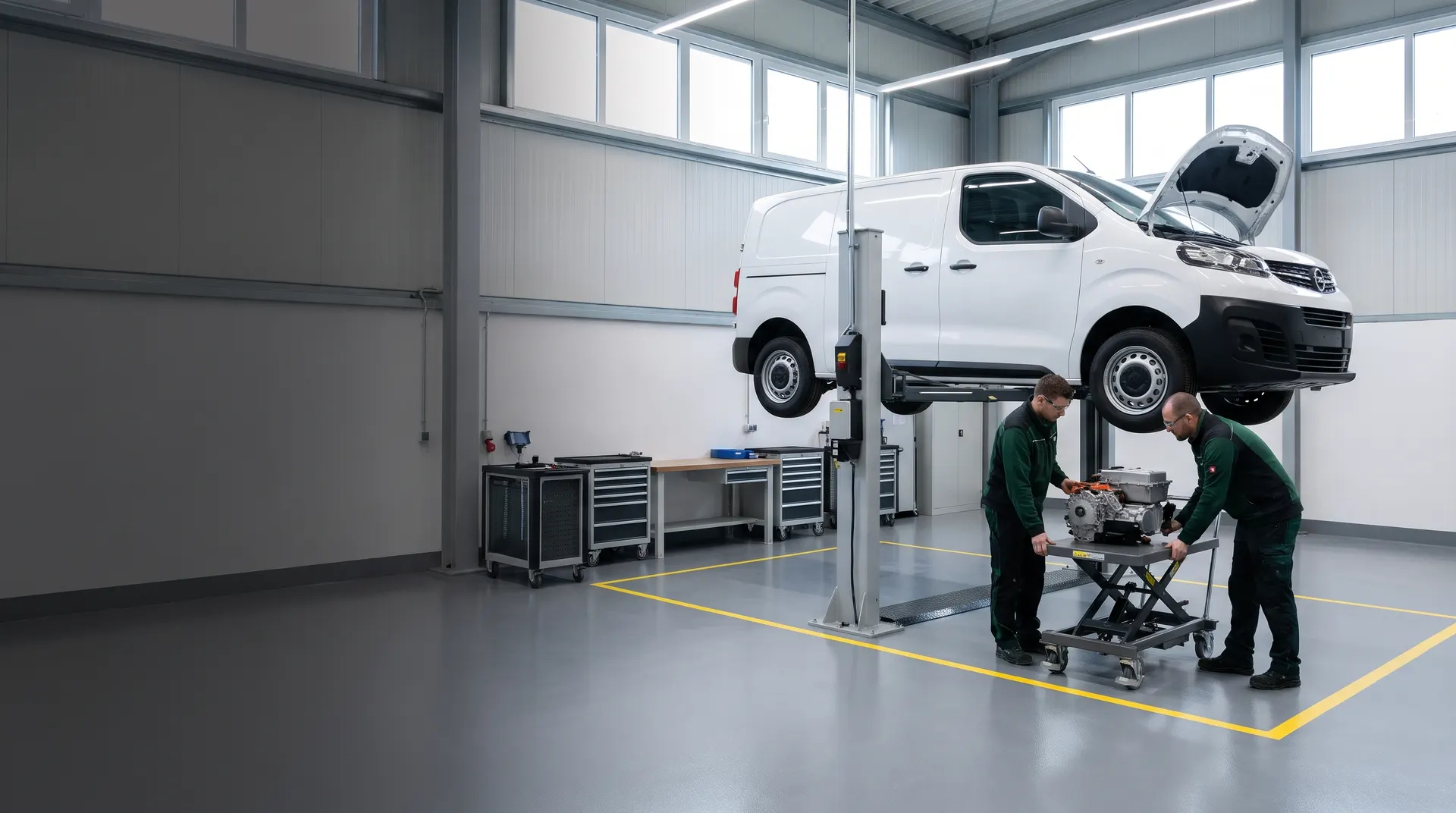
Two technicians fitting an electric drive unit under a van raised on a lift

EREV Retrofit

Electric Drive. Extended Range.

An EREV (extended-range electric vehicle) always drives on its electric motor. A small engine works only as a generator and recharges the battery on the move.

Why EREV Retrofit

EREV combines the strengths of ICV and EV.

ICVInternal Combustion Vehicle

  • Manufacturers are cutting R&D investment
  • Fewer models every year

EVBattery Electric Vehicle

  • High vehicle price and limited charging infrastructure
  • Shorter winter range and battery safety concerns

EREVExtended-Range Electric Vehicle

  • High fuel efficiency
  • A smaller, lower-cost battery system
  • Simple, low-cost maintenance

Demand is small and development is costly, so manufacturers are slow to serve this market. Retrofit fills the gap with the vehicles already on the road.


Commercial Vehicles in Service, Converted to EREV

Base Models
Ford TransitRenault Master
Optional
Truck and van derivatives
Fuel Efficiency
About 20 km/L**
Driving Range
1,000 km per refuelling**
  1. Fuel Tank
  2. Engine Generator
  3. Battery
  4. Inverter
  5. Motor
  6. Reduction Gear
  7. Wheels
  • Drive power
  • Charging power (engine generator to battery)
  • Fuel line
  1. **Figures are based on Gooler Mobility's internal R&D results and may vary upon certification and under actual operating conditions.

Economics

Four Reasons Retrofit Costs Less

  1. 01

    Conversion*

    A new powertrain goes into the vehicle you already own for roughly 20 to 30% of the cost of buying new.

  2. 02

    Operation**

    Operating cost is 27% lower than ICV and 7% lower than EV. One refuelling covers long routes, which suits logistics.

  3. 03

    Maintenance

    The powertrain is EV-based, so maintenance is simple and service intervals are long.

  4. 04

    Connected Technology

    A converted vehicle is ready for fleet technology such as remote monitoring, driving data analysis and intelligent logistics.

  1. *Costs may vary depending on battery specifications and the integration of AI and IT technologies.
  2. **Figures are based on Gooler Mobility's internal R&D results and may vary upon certification and under actual operating conditions.

Nine Essential R&D Stages

Converting a powertrain is an engineering program of the same order as developing a new vehicle. Gooler has been running EREV R&D since 2022.

This is not a one-off conversion built to try the idea. It was developed for series production from the start.

  1. 01Base Model Selection
  2. 02Development Planning
  3. 03Powertrain R&D
  4. 04Parts Development
  5. 05Control System R&D
  6. 06Vehicle Software R&D
  7. 07Test and Validation
  8. 08Certification and Registration
  9. 09After-Sales Setup and Management

Core Technology

Ten Technologies, Integrated Into One System

Core technologies of the EREV powertrain retrofit
No.TechnologyMain Function
01VCUVehicle Control UnitIntegrated control of powertrain and energy
02BMSBattery Management SystemBattery monitoring, protection and charge control
03Motor and MCUMotor Control UnitElectric drive and precise torque control
04PDUPower Distribution UnitHigh-voltage power distribution and protection
05LDCDC-DC ConverterHigh-voltage to low-voltage conversion
06OBCOn-Board ChargerAC to DC conversion for battery charging
07AC/DC ChargingCharging System DevelopmentAC/DC charging interface and control integration
08Regenerative BrakingCooperative ControlBraking and energy recovery working together
09e-Powertrain HW/SWSystem DevelopmentIntegrated powertrain hardware and software
10CAN NetworkNetwork DevelopmentVehicle communication and ECU integration

Seven Conversion Steps

From vehicle intake to validation, the conversion runs in seven steps.
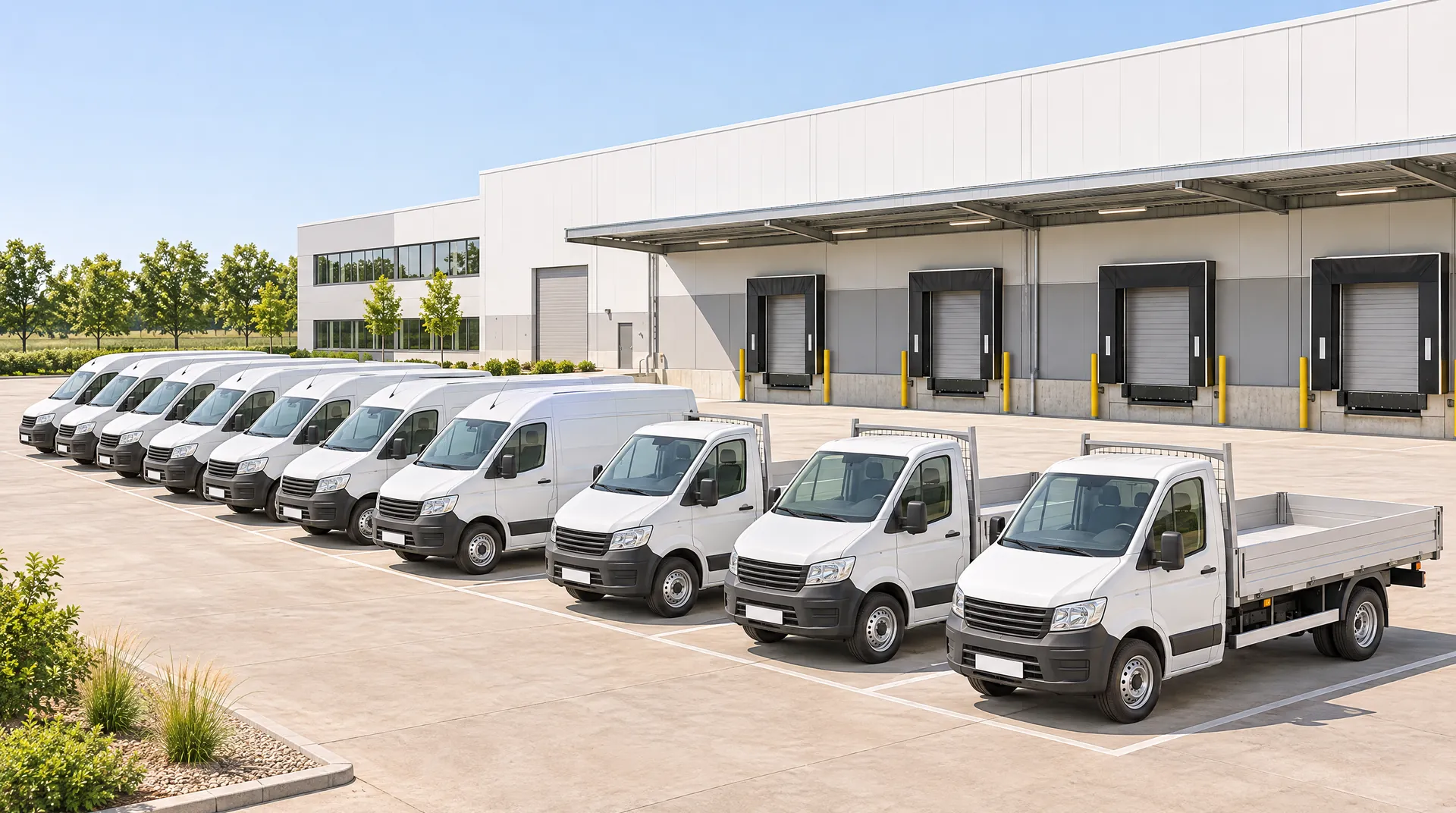
White vans and flatbed trucks parked in a row at a bright logistics depot
  1. 01

    Vehicle Preparation

    Inspection and pre-conversion preparation

  2. 02

    Powertrain Reconfiguration

    Existing powertrain parts removed and reconfigured

  3. 03

    Electric Drive Installation

    Electric motor and reduction gear fitted

  4. 04

    Battery and High-Voltage System

    Battery pack and high-voltage system fitted

  5. 05

    Range Extender Installation

    Engine generator unit fitted

  6. 06

    Control System Integration

    ECU fitted, software integrated, system calibrated

  7. 07

    Test Run and Validation

    System test, performance validation, final inspection

The process and schedule depend on the vehicle model, the number of vehicles and how they operate. Tell us your conditions and we will review them.

Ask About EREV Retrofit
From Vehicle Retrofit to a Smart Fleet Platform

Beyond the conversion itself, Gooler provides the digital operation layer a growing fleet needs.

  1. Retrofit Hardware
  2. Connected Technology
  3. Scalable Operation

AI and IT Programs

  • Remote MonitoringVehicle and powertrain status in real time
  • Driving Behavior AnalysisDriving pattern analysis and driver coaching
  • Preventive MaintenanceEarly fault detection and service scheduling
  • Route and Dispatch OptimizationBetter dispatch, routing and utilization
  • Energy and Fuel ManagementBattery use, charging and fuel efficiency
  • OTA Software UpdatesFunctions and calibration improved over time

Added Value

  • Lower CarbonFewer greenhouse gas emissions and less environmental load
  • Resource CirculationLonger vehicle life and less waste
  • Improved SafetyBetter vehicle stability and safer operation
  • Better Driver ManagementAI-based analysis and training for safer, more efficient driving
  • Compliance and Corporate ValueSustainability targets met and business value raised